2026 MEA E-Commerce Whitepaper: Cross-Border Consumer Trends & Brand Opportunities across the GCC
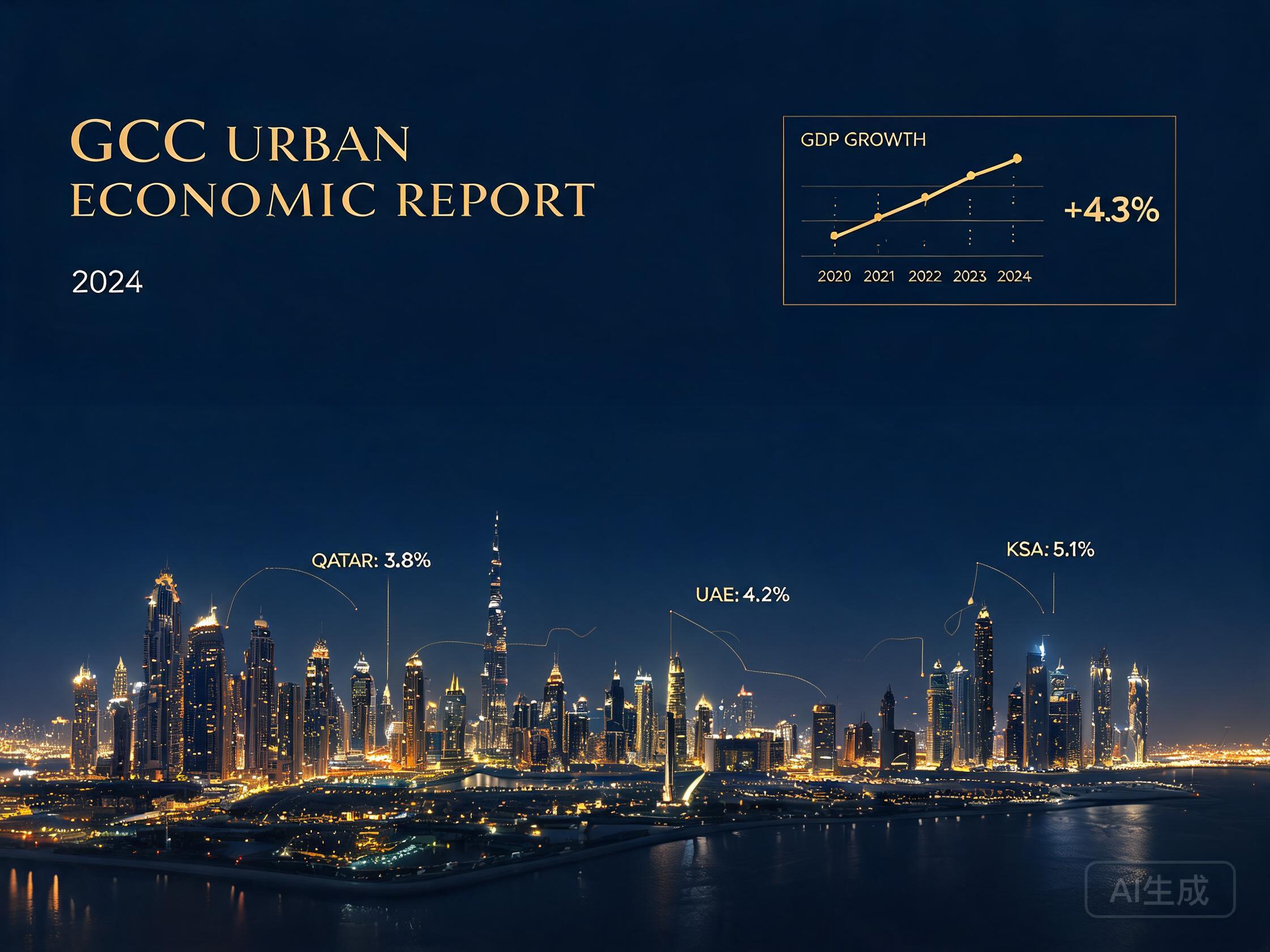
The Middle East, particularly the six Gulf Cooperation Council (GCC) nations—Saudi Arabia, the UAE, Qatar, Kuwait, Bahrain, and Oman—is undergoing a profound digital consumption transformation. According to public sources, the GCC e-commerce market was valued at approximately US$ 37 billion in 2023 and is projected to exceed US$ 50 billion by 2026, with a compound annual growth rate consistently above 15%. This growth is driven by national-level policies such as Saudi Vision 2030 and the UAE Digital Economy Strategy, compounded by a young demographic profile, near-universal smartphone penetration, and deep social media integration.
1. Policy Dividends: How Vision 2030 and Digital Economy Strategies Are Reshaping the Consumer Ecosystem
A core objective of Saudi Vision 2030 is reducing reliance on oil revenues by diversifying into digital economy and entertainment sectors. Under this framework, the Saudi government has introduced national e-commerce regulations, electronic payment infrastructure upgrades, and the “Saudi Made” local brand support initiative. According to public data, electronic payment transactions in Saudi Arabia surpassed 70% of total retail payments in 2023, a dramatic increase from 36% in 2018.
In the UAE, the Dubai Digital Economy Strategy explicitly aims to double digital economy's GDP contribution by 2025. The Dubai government has partnered with Amazon, Noon, and other platforms to establish Dubai CommerCity—the Middle East's first dedicated e-commerce free zone—offering cross-border brands integrated logistics, customs, and payment solutions. This infrastructure development has significantly lowered entry barriers for international brands.
Implication for Chinese brands: The policy dividend window is open. The Saudi government's proactive stance on cross-border e-commerce means that brand registration, compliance certification, and payment integration processes are becoming standardized and expedited. Early entrants can benefit from transitional regulatory flexibility and platform traffic support.
2. Consumer Profile: Young, High-Spending, Socially-Driven
GCC consumer profiles exhibit distinctive regional characteristics. According to public data, internet penetration in Saudi Arabia and the UAE exceeds 99%, with social media active user penetration above 85%. The region's demographics are exceptionally young—63% of Saudi Arabia's population is under 30, and 65% of the UAE's population is under 35. This youthful structure translates to a naturally higher propensity for online shopping and stronger social commerce habits.
In terms of purchasing power, GCC per-capita GDP generally exceeds US$ 20,000 (Saudi Arabia ~US$ 32,000, UAE ~US$ 50,000, Qatar over US$ 80,000). Notably, Middle Eastern consumers exhibit high brand loyalty—once trust is established, repurchase rates and average order values significantly outperform Southeast Asian and Latin American markets. According to public sources, the average e-commerce order value in Saudi Arabia is approximately US$ 120-150, far exceeding the global average of US$ 60-80.
Social media plays a dual role as both “shopping guide” and “trust intermediary” in Middle Eastern e-commerce. Public data indicates that Instagram and TikTok users in Saudi Arabia and the UAE spend over 3 hours daily on these platforms. Approximately 70% of Middle Eastern consumers report discovering new brands on social media and completing purchases either in-platform or via redirect to e-commerce platforms. This “social discovery—instant purchase” consumer journey offers Chinese brands the potential for low-CAC customer acquisition.
3. Category Opportunities: Baby, Personal Care, and Home as High-Growth Tracks
Based on public analysis of Noon and Amazon.sa platform data, the fastest-growing e-commerce categories in the GCC during 2024-2025 are: Baby products (~35% YoY growth), Personal Care & Beauty (~28%), Home & Living (~25%), and Consumer Electronics (~18%).
The high growth in baby products directly correlates with the region's high fertility rates. According to public sources, Saudi Arabia's total fertility rate is approximately 2.3, well above the OECD average. Middle Eastern families allocate 12-15% of disposable income to baby products, with exacting quality and safety demands—providing premium pricing space for high-end Chinese baby brands.
Personal care and beauty growth benefits from Middle Eastern consumers' emphasis on personal image and the rise of Halal beauty. Public data indicates the Middle East beauty market is projected to reach US$ 60 billion by 2025, with “Clean Beauty” and “Halal-certified” products growing fastest. Chinese brands possess natural advantages in ingredient innovation and value-for-money, but must invest in packaging design and cultural adaptation—Middle Eastern consumers, for instance, favor gold and purple as premium color elements.
Home and living categories benefit from rising Saudi homeownership rates and the housing construction plans under Vision 2030. The Saudi government plans to build 1 million new housing units by 2030, directly driving demand for furniture, home textiles, and kitchenware.
4. Actionable Recommendations: A Five-Step GCC Entry Path for Chinese Brands
Step 1—Product Validation. Brands should first validate category demand and competitive landscape through Amazon.sa or Noon search trending keywords and bestseller rankings. Prioritize sub-categories with high search volume but insufficient local supply.
Step 2—Compliance Access. Complete SASO (Saudi Standards, Metrology and Quality Organization) product certification, SABER electronic certification system registration, and Halal certification (if applicable). The compliance timeline is typically 4-8 weeks; early initiation is recommended.
Step 3—Channel Strategy. Adopt a dual-engine approach combining platforms and DTC. Use Noon and Amazon.sa as primary sales channels for organic traffic, while building an independent store via Shopify or Salla (a Middle Eastern local platform) to cultivate private domain traffic.
Step 4—Social Marketing. Collaborate with local Middle Eastern KOLs, focusing on Instagram and TikTok. Mid-tier KOLs with 50,000-500,000 followers offer the best ROI. Content creation must observe cultural sensitivities—avoid alcohol and pork-related imagery, and respect Ramadan marketing rhythms.
Step 5—Fulfillment Experience. Leverage Saudi local warehouses or Dubai free zone facilities to achieve 2-3 day delivery, and offer Cash on Delivery (COD) options—public data shows COD still accounts for approximately 40% of Saudi e-commerce transactions, serving as an important consumer trust signal.
Conclusion: The GCC e-commerce market is at a golden window where policy, demographic, and digitalization dividends converge. For Chinese brands, this is both a high-growth market where the “Made in China + Cross-border E-commerce” model can be replicated, and a culturally unique market requiring deep localization. Early positioning, compliance-first approach, and social-driven marketing will be the keys to Chinese brands taking root and flourishing in the GCC.